
Gratitude is one of the most powerful tools for emotional well-being. It helps us focus on what’s good, even in hard times, and strengthens our resilience. However, gratitude loses its power when it is used to suppress genuine feelings.
Healthy gratitude isn’t about ignoring pain. It’s about finding perspective within it. This guide focuses on gratitude without toxic positivity, acknowledging real feelings while still noticing what’s good.
The Fine Line Between Gratitude and Toxic Positivity
Gratitude and positivity are not the same thing. Gratitude acknowledges both the joy and the struggle. It says, “This is hard, but I still see what’s good.” Toxic positivity, on the other hand, insists that we “just look on the bright side,” even when something genuinely hurts.
When we deny negative emotions, they don’t disappear; they fester. Genuine gratitude allows for honesty: you can be thankful for lessons learned without pretending the experience was pleasant. Saying “I’m grateful for what this taught me” is far healthier than “I guess everything happens for a reason.”
This difference matters. Healthy gratitude fosters resilience, while toxic positivity fosters shame. It generates the feeling that you’re failing just because you’re struggling.
See Why Joy Is a Health Practice for a simple way to reconnect with everyday positives.
The Psychology of Authentic Gratitude
Research in positive psychology indicates that practicing gratitude can rewire the brain to focus more on abundance than scarcity. Regularly naming things you’re thankful for activates neural pathways related to joy and contentment. But authenticity is key. The brain can sense emotional dissonance when you’re forcing gratitude that isn’t real.
Authentic gratitude arises from reflection, not denial. It grows stronger when we pair it with acceptance: “I wish this situation were easier, but I’m thankful for the support I have.” That simple acknowledgment integrates both truth and appreciation, and strikes a balance that enhances emotional stability.
Psychologists often note that people who practice honest gratitude experience lower levels of depression and anxiety, not because they avoid hardship, but because they process it with perspective.
For social habits that reinforce gratitude, see Strengthening Social Health: Why Friendships Are Medicine.
Practices for Real Gratitude (Not Pretend Happiness)
- The “And” Rule: Replace “but” with “and.” For example, “I’m sad about losing that opportunity, and I’m grateful for what I learned in the process.” This slight linguistic shift validates both emotions.
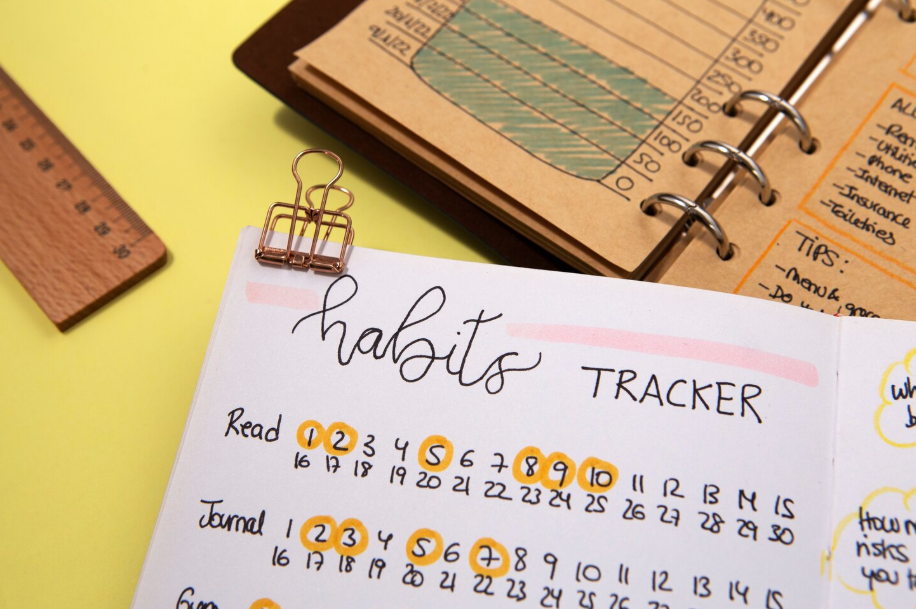
- Keep a Reality-Based Gratitude Journal: Instead of listing only happy moments, include challenges and what they taught you. This builds emotional range, not avoidance.
- Express Gratitude Out Loud: Thank people directly. Genuine appreciation deepens the connection and reminds both of you that gratitude is a relational, not a performative, act.
- Grounded in the Present: Gratitude grows strongest when rooted in awareness. Focus on what you can feel, see, or appreciate right now, even if it’s small.
These practices train the brain to hold space for complexity, such as joy and grief, or loss and growth, without collapsing into negativity or denial.
Healing Through Honest Acknowledgment
Sometimes, gratitude begins with simply saying, “This is hard.” Allowing pain makes space for healing. Once emotions are processed, gratitude often follows naturally—an organic byproduct of perspective rather than a forced replacement for pain.
For example, after a breakup or job loss, it’s perfectly normal to feel hurt initially. Over time, you may become grateful for the clarity it brought or the growth it sparked. Gratitude should evolve, not be imposed.
By allowing emotions to coexist, you cultivate a more grounded form of happiness—one that’s real, resilient, and compassionate.
See Reframing Failure: How Setbacks Fuel Growth for additional insight on turning challenges into perspective.
The Freedom of Balanced Gratitude
Gratitude isn’t about pretending everything is fine; it’s about remembering that even in difficulty, something still is. When practiced authentically, it deepens empathy, stabilizes mood, and strengthens purpose.
Healthy gratitude accepts life as it is, which is messy, beautiful, unpredictable, and still finds reasons to be thankful. That’s not toxic positivity; that’s a mature perspective. And it’s what turns gratitude from a cliché into a daily act of quiet strength.