
Your gut and your brain are in constant conversation. This powerful relationship, known as the gut-brain connection, influences not only digestion but also mood, focus, and emotional well-being.
In fact, emerging research indicates that what you eat can have a direct impact on how you think and feel. By nurturing your gut health, you’re also nurturing your mind.
How the Gut and Brain Communicate
The gut is often referred to as the “second brain” because it contains over 100 million nerve cells that are connected to the central nervous system through the vagus nerve. This pathway sends chemical messages back and forth, shaping mood and stress response.
When your gut microbiome, the community of bacteria living in your digestive tract, is balanced and diverse, it produces beneficial neurotransmitters like serotonin, dopamine, and GABA. These chemicals regulate emotions such as happiness, motivation, and calmness. In fact, nearly 90% of the body’s serotonin is produced in the gut.
But when the microbiome is disrupted by poor diet, stress, or antibiotics, inflammation increases and communication with the brain becomes distorted, leading to anxiety, brain fog, and even depression. A healthy gut means a clearer, calmer mind.
Check out Mindful Eating Without Overthinking for an easy, mindset-first eating approach.
Foods That Support Gut and Mental Health
What you eat shapes your microbiome more than almost anything else. Focus on foods that feed beneficial bacteria and reduce inflammation.
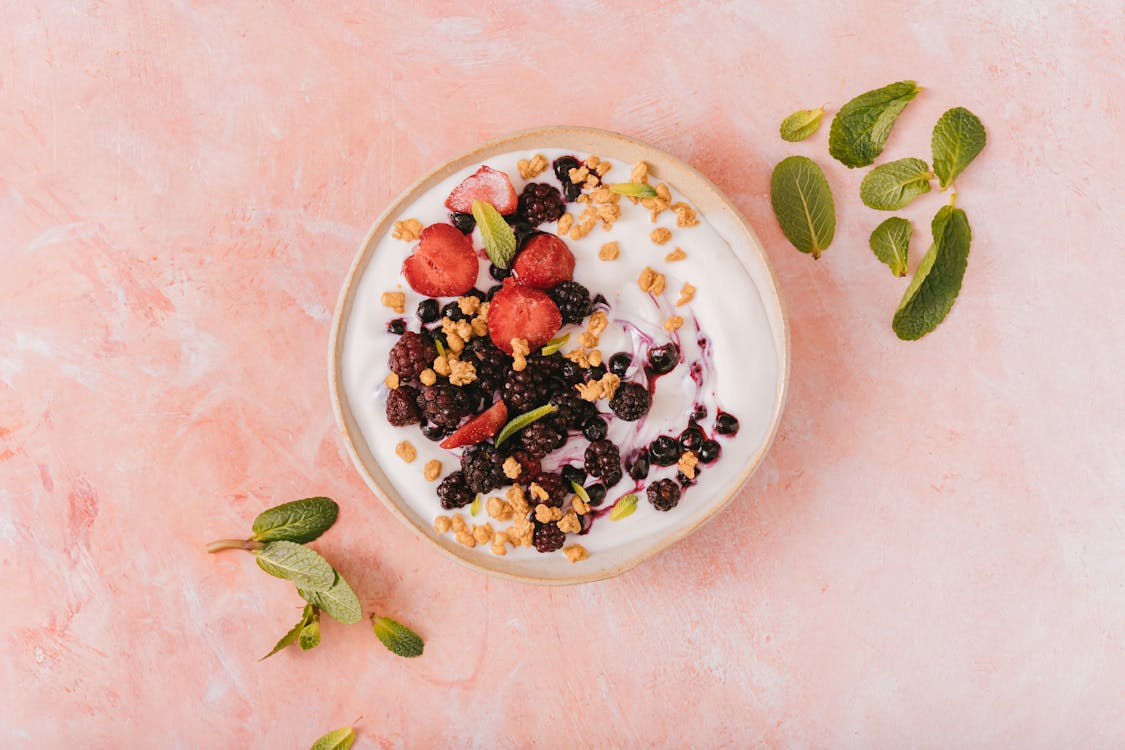
- Fermented Foods: Yogurt, kefir, sauerkraut, kimchi, and kombucha supply probiotics that restore microbial diversity.
- Fiber-Rich Plants: Fruits, vegetables, legumes, and whole grains act as prebiotics, feeding good bacteria.
- Omega-3 Fatty Acids: Found in salmon, walnuts, and flaxseeds, these fats reduce inflammation and support brain cell function.
- Polyphenol-Rich Foods: Berries, dark chocolate, green tea, and olive oil protect the gut lining and improve circulation to the brain.
- Hydration and Minerals: Water, magnesium, and electrolytes help maintain smooth digestion and nervous system balance.
On the other hand, limit ultra-processed foods, artificial sweeteners, and excessive sugar. These promote the growth of harmful bacteria and inflammation, which can worsen mood and cognition.
See Hydration Beyond Water: Electrolytes, Herbal Teas & More to understand the importance of hydration.
The Role of Stress and Lifestyle
Diet is only part of the equation. Chronic stress alters gut motility and microbial balance, making it harder for your body to absorb nutrients. Practices such as meditation, exercise, and mindful breathing can help lower cortisol levels and restore balance in the gut-brain axis.
Sleep also plays a significant role. During deep rest, the body regulates digestion and repairs intestinal cells. Without enough quality sleep, even a healthy diet can’t fully restore the microbiome. Think of rest as your digestive system’s nightly reset button.
Listening to Your Gut (Literally)
Your gut often signals distress before your mind does. Bloating, fatigue, or mood swings can all hint at imbalance. Keeping a food and mood journal helps identify triggers that may be contributing to your mood swings. This should include what you eat, how you feel, and when symptoms appear.
If you notice recurring patterns, discuss them with a healthcare professional, a registered dietitian, or a nutritionist. Minor adjustments, like adding probiotics or reducing processed foods, can lead to noticeable improvements in energy and emotional stability.
If nights are throwing off your gut and mood, explore Sleep Reboot: Hacks to Finally Rest Well.
A Healthier Mind Starts in the Gut
The connection between food and mood isn’t a metaphor; it’s biology. Every meal is an opportunity to support your microbiome and, by extension, your mental well-being.
Eat in a way that nourishes both your body and mind simultaneously: opt for whole foods, make mindful choices, and adopt a balanced lifestyle. When your gut thrives, your brain follows, bringing clarity, calm, and emotional resilience from the inside out.