
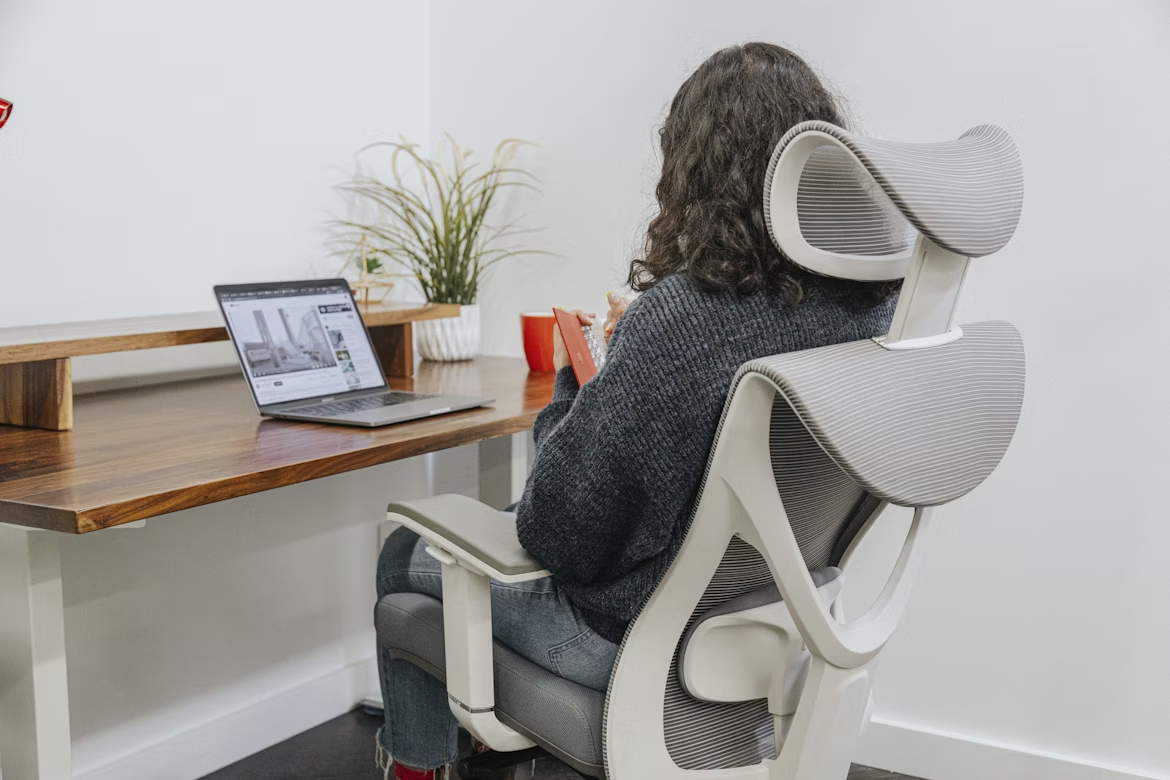
Working from home has become the new normal for millions of people. However, without the proper setup, it can take a serious toll on your body and mind.
Poor posture, eye strain, and constant sitting lead to fatigue, pain, and reduced productivity. The solution? Home office ergonomics that support both performance and well-being. With a few strategic adjustments, your workspace can enhance focus, energy, and overall well-being.
Why Ergonomics Matter
Ergonomics is more than comfort. It’s about aligning your environment to fit your body’s natural posture and movement patterns. When your workspace isn’t ergonomically sound, minor daily strains accumulate into chronic problems like back pain, carpal tunnel syndrome, and tension headaches.
A well-designed workstation setup helps maintain circulation, reduces stress on joints, and supports long-term musculoskeletal health. The right chair height or monitor angle might seem like a small detail, but over hundreds of hours each month, those details make a big difference.
Good ergonomics also supports focus: when your body is comfortable, your brain stays sharp.
To start your day with better focus, see Morning Rituals That Supercharge Productivity.
Setting Up Your Desk for Optimal Health
- Chair and Posture: Choose a chair with adjustable height and lumbar support. Sit with your feet flat on the floor, knees at a 90-degree angle, and hips slightly above knee level. Avoid slouching or crossing legs for long periods.
- Monitor Position: The top of your screen should be at or slightly below eye level, about an arm’s length away. This prevents neck strain and eye fatigue.
- Keyboard and Mouse Alignment: Keep wrists straight and elbows close to your body at a 90-degree angle. Consider a wrist rest or ergonomic keyboard if you type for long hours.
- Lighting: Natural light is best, but avoid glare on your screen. Use a soft desk lamp with warm tones for eye comfort.
- Declutter and Organize: A clean workspace reduces mental clutter and improves focus. Keep only what you use daily within reach.
Even minor tweaks to these elements can significantly improve comfort and productivity.
Move Often: Micro-Breaks and Postural Changes
No ergonomic setup can replace movement. Sitting still for long stretches reduces blood flow and stiffens muscles. Build micro-movements into your day by standing, stretching, or walking every 30–60 minutes.
Try simple exercises like shoulder rolls, neck rotations, or standing quad stretches. If possible, use a sit-stand desk to alternate between sitting and standing positions throughout the day. Research shows that even two minutes of light movement every hour can help reduce health risks associated with prolonged sitting.
Movement also resets focus. Taking short breaks for stretching or hydration helps prevent burnout and mental fatigue, keeping energy levels stable.
Incorporate these Micro-Workouts for People With No Time to keep your body moving.
Creating a Healthier Work Atmosphere
Your workspace affects not only your posture, but also your mood and creativity. Use sensory cues that promote calm and focus:
- Add plants for cleaner air and visual relaxation.
- Play gentle background music or white noise to reduce distractions.
- Diffuse natural scents like citrus or peppermint for mental alertness.
- Keep hydration nearby, such as a water bottle on your desk, which serves as both a reminder and a motivator.
Personal touches, such as photos or artwork, can also enhance motivation, but keep the decor minimal enough to avoid overstimulation.
Don’t miss Remote Work 2.0: Future Skills and Tools for WFH skills that complement your setup.
Balancing Boundaries Between Work and Life
When your home becomes your office, boundaries blur easily. Establish clear start and end times, and create rituals that signal transitions, such as closing your laptop, dimming lights, or taking a short walk after work.
If space allows, separate your workspace from personal areas. This physical distinction helps your brain switch between “work mode” and “home mode,” reducing stress and improving rest at night.
Healthy work-from-home habits don’t just protect your body. They preserve your balance, focus, and joy in both work and life.